Asaba Dairy (AD)
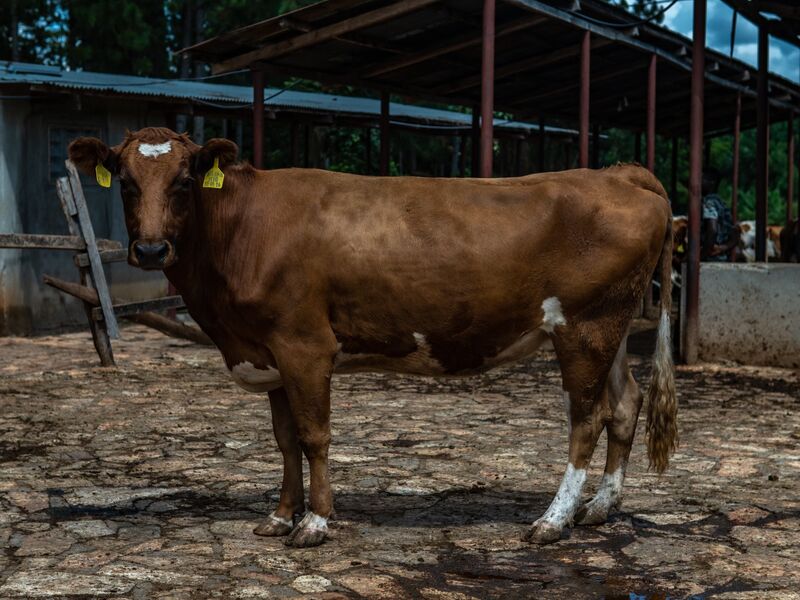
Climate-adapted Ayrshire cattle breeding. Foundation stock registered in KLBO Studbook. Hardy, heat-tolerant genetics for tropical Uganda. Premium dairy products including locally-produced yogurt. AI breeding services for the region.
The dairy is where the cycle begins — animal waste feeds the biogas plant, which generates energy and organic slurry for crops.
Asaba Agro (AA)
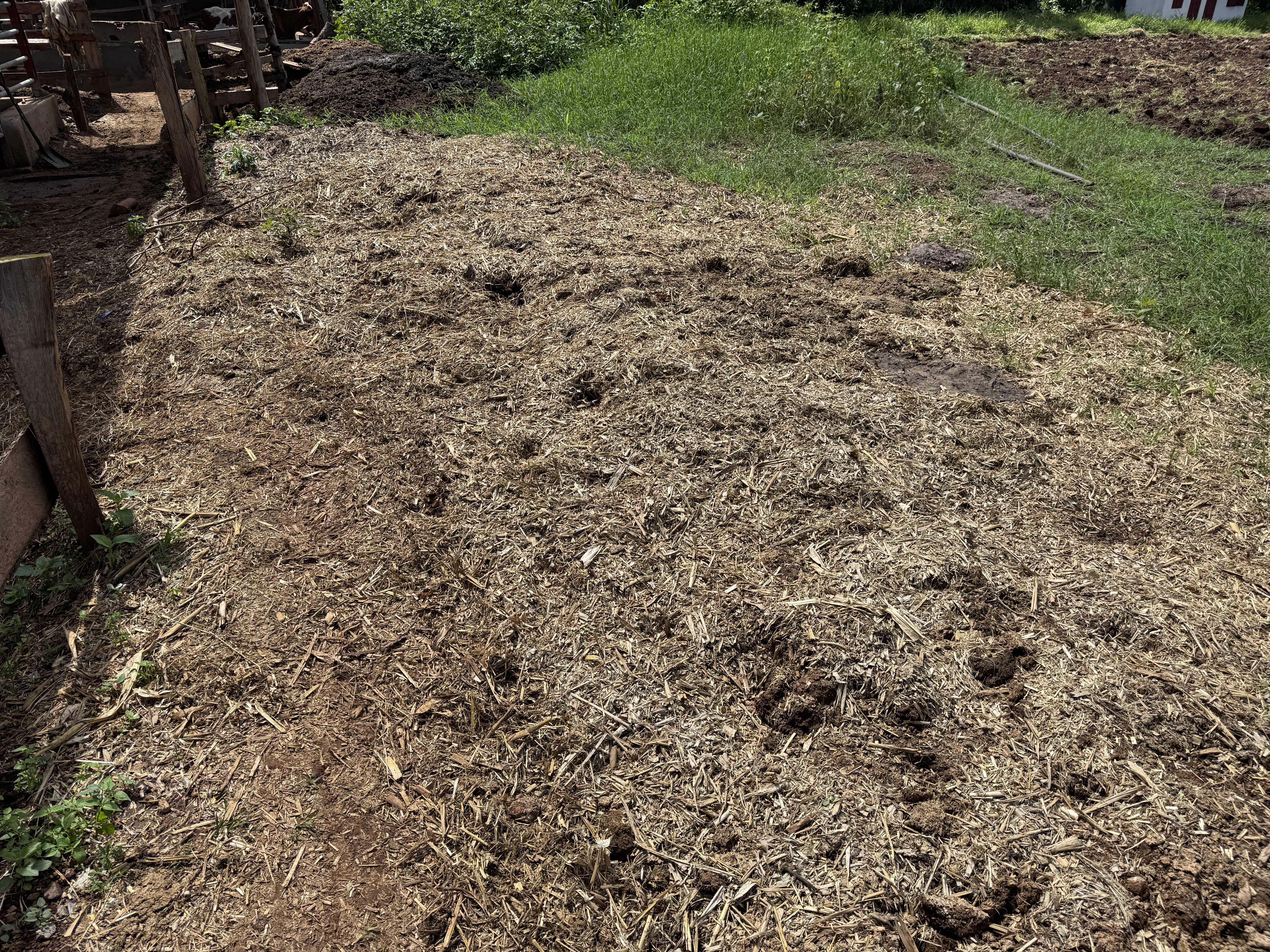
Climate-Smart Agriculture demonstration unit. Research and validation of sustainable techniques. Key crops: maize, beans, soybeans, sweet potatoes. Organic fertiliser from Pillar 1 feeds the soil here.
Crop residues cycle back as animal feed and compost — completing the loop.
Asaba Skilling (AS)
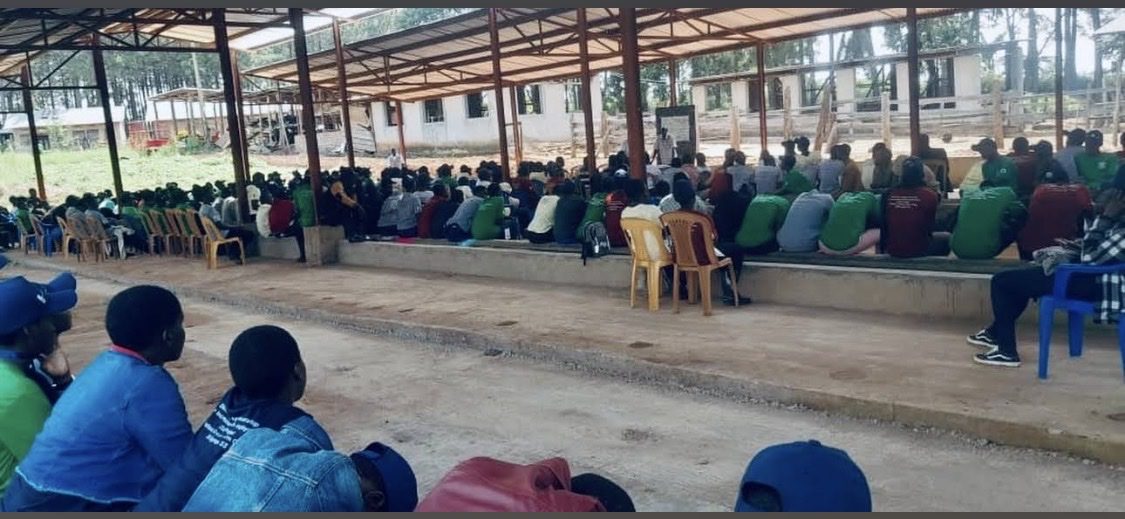
Government-certified training hub (DiT Certificate UG92580A). Techno-vocational internships combining theory with practice. Short farm exposure visits. Skills that transfer from the farm to community implementation.
The training engine that scales AFS knowledge beyond Nakabugu.
Asaba Community Extension Service (AcES)
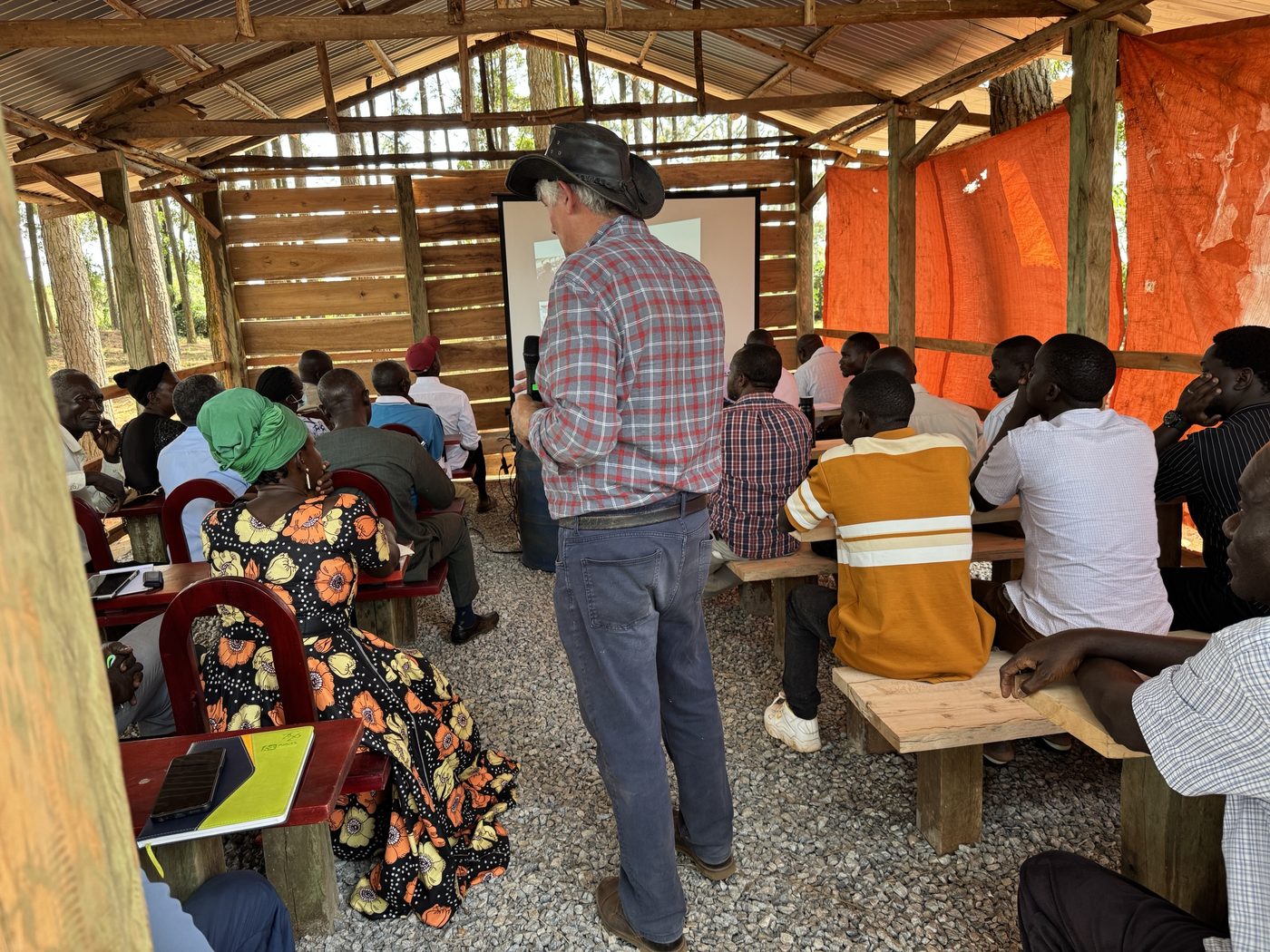
The integration pillar. AcES pioneers an innovative public-private extension service model through AFS Farmers Point hubs — bridging the gap between government extension services (largely absent) and private sector innovation.
Partnership facilitation between public and private sectors. Farmers Point hub network bringing services to the community level. Knowledge transfer coordination across all four pillars. Technology and innovation dissemination. Sustainable practice institutionalisation.
This is the answer to the extension gap Apollo identified in his "Retiring Into Farming" essay: farmers need support systems, not just land and seeds.